







Search Results for: volcanic eruptions
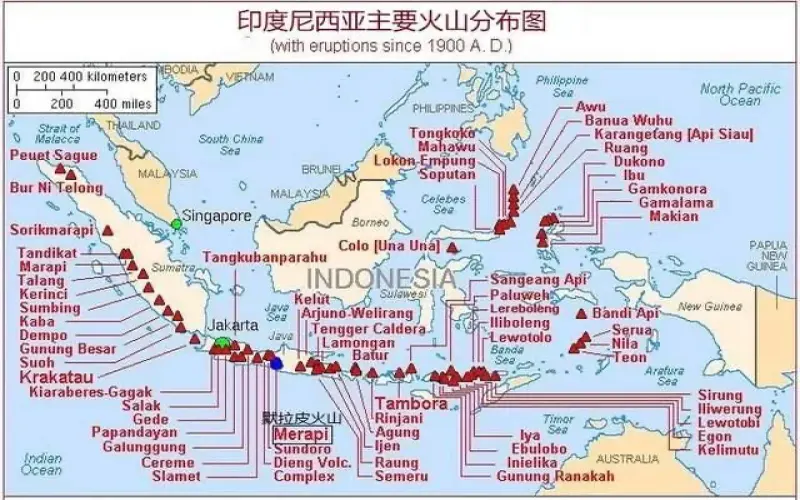
Multiple volcanoes in Indonesia erupt in succession, alert level raised to maximum, Robusta coffee production may decline significantly
Indonesia is located at the junction of multiple geological plates and has the largest number of active volcanoes in the world, with 127 active volcanoes within its territory. Recently, multiple volcanoes in the country have erupted intensively, and authorities have raised the alert level to the highest. Volcanic activity not only threatens the safety of local residents, but also poses serious risks to agriculture, including coffee. The current period coincides with the Robusta coffee harvest, and some producers expect output on certain islands to decrease by 20%, while total national production may fall by 50%. Combined with tight global inventories caused by drought in Vietnam, Robusta coffee prices may be pushed further higher. This article will review the specific details of these volcanic eruptions and their potential impact on the coffee industry. [more…]
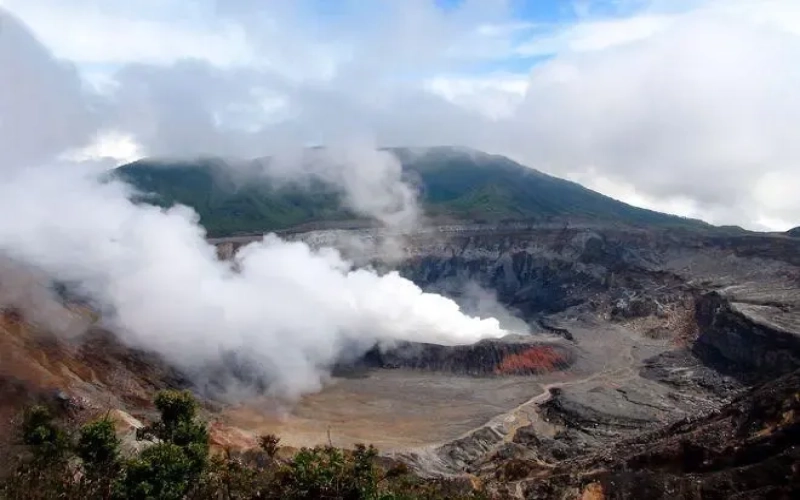
Costa Rica's Poás Volcano Sees Strongest Eruption in Nearly Five Years, Ash Fall Affects Residents' Lives and Coffee-Growing Regions
On April 2, the Poás Volcano in Costa Rica experienced its largest eruption in nearly five years, with an ash column reaching 600 to 800 meters above the crater, posing a threat to local residents' lives, air quality, and crops such as coffee. Poás Volcano National Park has been temporarily closed, and several coffee-producing regions around the volcano, including the well-known Central Valley, also face potential impacts from volcanic ash. At the same time, drought and frequent fires triggered by El Niño have further intensified pressure on local agriculture. This article will review the specifics of this volcanic eruption, its impact on the coffee industry, and the outlook for Costa Rica's coffee exports. [more…]
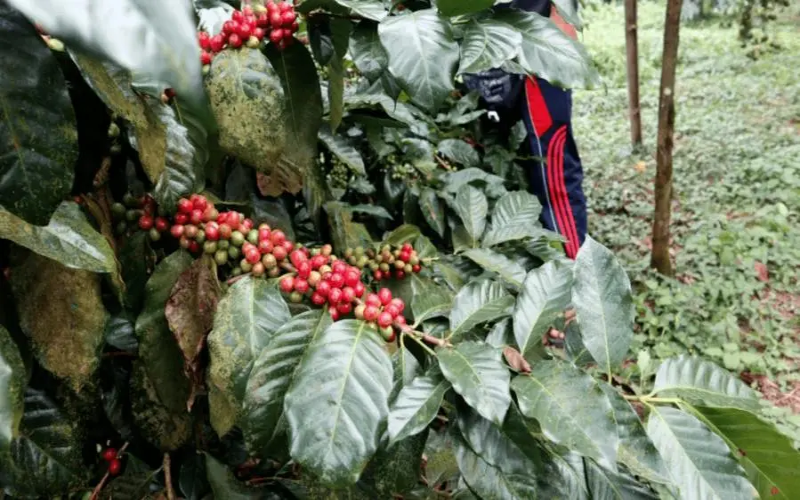
Frequent Volcanic Eruptions in Indonesia Combined with Drought Shocks the Coffee Industry, Sumatra Robusta Premiums Continue to Climb
Recently, robusta coffee prices have continued to run at high levels, driven both by the Red Sea crisis pushing up shipping costs and by El Niño weather causing production declines in many countries. As an important producing region, Indonesia has seen its Sumatra robusta premium widen from an earlier 450 USD to 500-520 USD this week. At the same time, the country is facing multiple pressures, including frequent volcanic eruptions, drying river basins, high fertilizer prices, and soil degradation, and industry insiders worry that coffee-growing areas will be further affected. This article reviews the challenges and price trends currently facing Indonesia's coffee industry, and brings Front Street Coffee's continued attention to developments in the producing region. [more…]
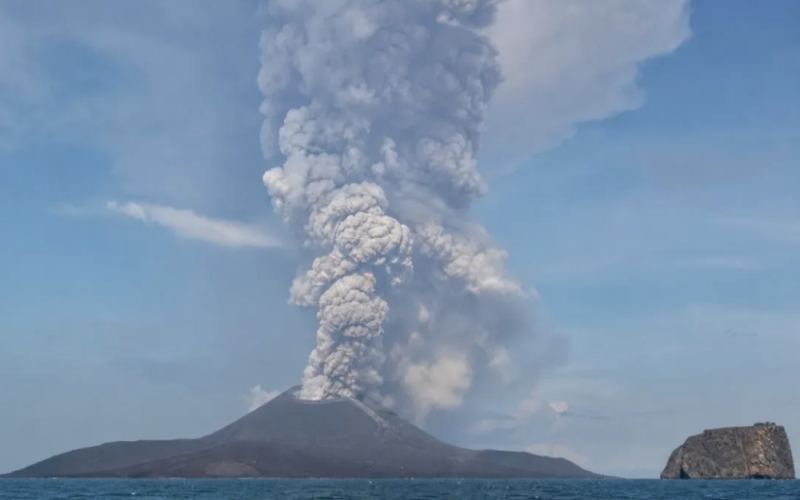
Indonesia's Anak Krakatoa Volcano Erupts Massively, Multiple Airports Forced to Shut Down
Around September 7 local time, the Anak Krakatau volcano in Indonesia (commonly known as the "Child of Krakatau") remained highly active, with ash plumes surging as high as about 50,000 feet (roughly 15,000 meters), reaching the cruising altitude of commercial airliners. [more…]
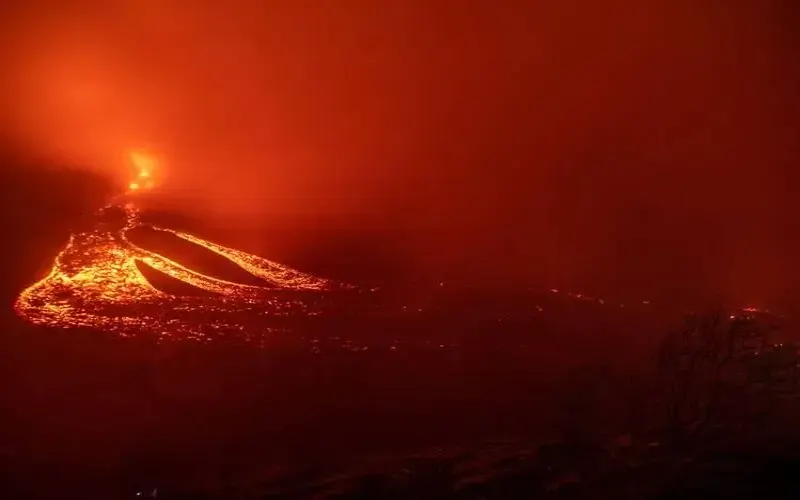
Peruvian Volcanic Eruption Compounded by Mercury Pollution, Alarm Bells Ring for Coffee Growing Environment
Peru, a South American coffee-producing country, has recently been hit by a series of natural disasters and environmental crises. The Sabancaya volcano in the south has entered an orange alert level, and ash from frequent eruptions is severely affecting nearby farms and pastures; meanwhile, the provinces of Huancavelica and Cusco have been declared in a state of environmental emergency due to heavy metal mercury contamination. Both regions have coffee cultivation, and mercury contamination not only inhibits crop growth and reduces agricultural product quality, but may also trigger labor shortages. The Peruvian government has already launched response measures, but concerns within the industry about coffee production and quality are rising. [more…]
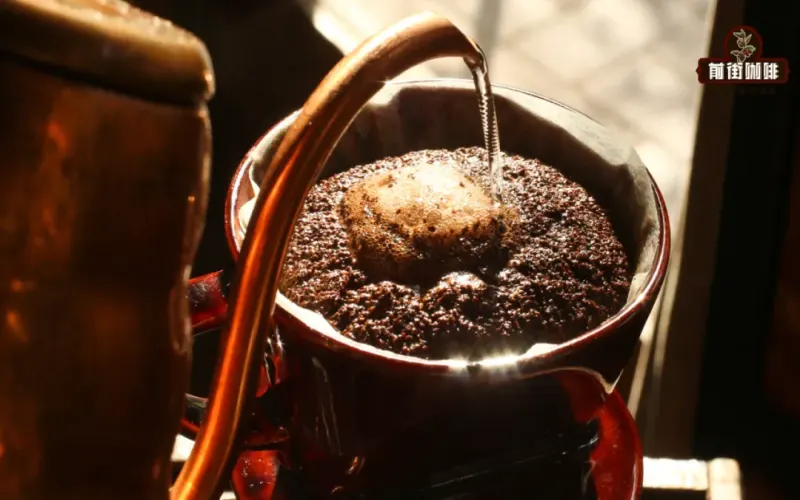
The Classic Japanese Hand-Drip Volcano Method: The Principles Behind High Sweetness in Dark Roast Coffee and Complete Step-by-Step Instructions
The volcanic pour is a highly distinctive brewing method within the Japanese hand-brewing system, named for the way the coffee bed rises and bubbles like a volcanic eruption during extraction. It is designed specifically for dark-roasted coffee, relying on a small stream of water, multiple intermittent pours of small volumes, and a high-concentration, low-extraction approach to ultimately present a cup of coffee with pronounced sweetness and a rich, smooth body. Starting from Front Street's experience shared on multiple occasions, this article provides an in-depth analysis of the underlying logic of the volcanic pour: why it can create a volcanic eruption-like spectacle, why only dark-roasted beans are up to the task, and how high concentration with low extraction avoids bitterness and improves extraction efficiency. The article also provides complete brewing parameters and a practical demonstration using Front Street's Golden Mandheling, guiding you step by step through this brewing experience that is both visual and gustatory.【图片1】【图片2】【图片3】【图片4】【图片5】【图片6】【图片7】【图片8】【图片9】【图片10】【图片11】 [more…]
Guatemalan Antigua Coffee Flavor Analysis: Tobacco Aromas and Full-Bodied Taste Born from Volcanic Soil
The Antigua region of Guatemala, with its unique volcanic soil and microclimate, nurtures coffee beans that are rich in flavor and layered in complexity. The coffee produced here often carries a signature tobacco note and a charred, smoky character, with a smooth mouthfeel where sweetness and smoky tones intertwine—earning it the name "cigarette coffee." The valley topography surrounded by three active volcanoes, the abundant nitrogen from periodic volcanic eruptions, and ample rainfall and sunshine together create the outstanding quality of coffee from this region. This article will take an in-depth look at the flavor characteristics of Antigua coffee and introduce representative lots such as El Pulcal from the Carmona Estate, allowing you to appreciate the alluring charm of this coffee praised as the "most perfect coffee bean." [more…]
Guatemala Antigua Coffee Flavor Analysis: Smoky Acidity Nurtured by Volcanic Soil and Mayan Coffee Culture
Guatemala Antigua coffee, with its balanced and refreshing fruit acidity, rich spice aroma, and uniquely distinctive smoky flavor, is regarded as one of the finest and most distinctive coffees in the world. This flavor comes from the fertile volcanic soil and a desolate history—Antigua was once the capital during the Spanish colonial period, but lost its prosperity in an instant due to a volcanic eruption. After returning to simplicity, it was the hardworking Indigenous people who managed the coffee cultivation. They not only discovered the rich, alluring, and unique aroma of Antigua coffee, but also brought it to the world. This article will analyze the flavor characteristics of Antigua coffee beans from three dimensions: terroir, history, and Maya culture, and introduce the SOE espresso taste performance of Front Street Coffee. [more…]
A Full Analysis of the Volcanic History Behind Guatemalan Antigua Coffee and Specialty Pour-Over Parameters
The ancient city of Antigua Guatemala is a jewel among World Heritage sites, and its coffee industry is inextricably linked to the activity of the surrounding active volcanoes. This article begins with the historical origins of Front Street Coffee's Guatemala Antigua, traces the long entanglement between this ancient city and the Fuego volcano, and provides an in-depth analysis of how volcanic ash soil nurtures the world's finest Bourbon coffee. At the same time, the article will share Front Street's recommended pour-over parameters—coffee-to-water ratio, grind size, water temperature, and the three-stage extraction method—to help coffee lovers brew a full-flavored cup of Antigua coffee at home. [more…]

A Detailed Guide to the Flavors of Guatemala's Eight Major Coffee Regions: Cupping Characteristics from Acatenango Valley to Volcán San Marcos
Guatemala is an important specialty coffee-producing country in Central America, with eight distinct coffee regions distributed across its territory. In April 2010, Mr. Eduardo Ambrocio of the Guatemalan Coffee Company gave a detailed introduction to these regions to an audience at the SCAA Houston exhibition and presented coffee samples from all eight regions. Based on these sample materials, this article examines one by one the altitude, soil, climate, and processing methods of the eight major regions—Acatenango Valley, Antigua, Traditional Atitlán, Rainforest Cobán, Huehuetenango Highlands, Highland Wet Highlands, New Oriente, and Volcanic San Marcos—and includes the cupping flavor characteristics of the coffee from each region. For friends who love Guatemalan coffee, Front Street Coffee will also recommend a few beans worth paying attention to, helping everyone more intuitively experience the flavor differences among the various regions. [more…]
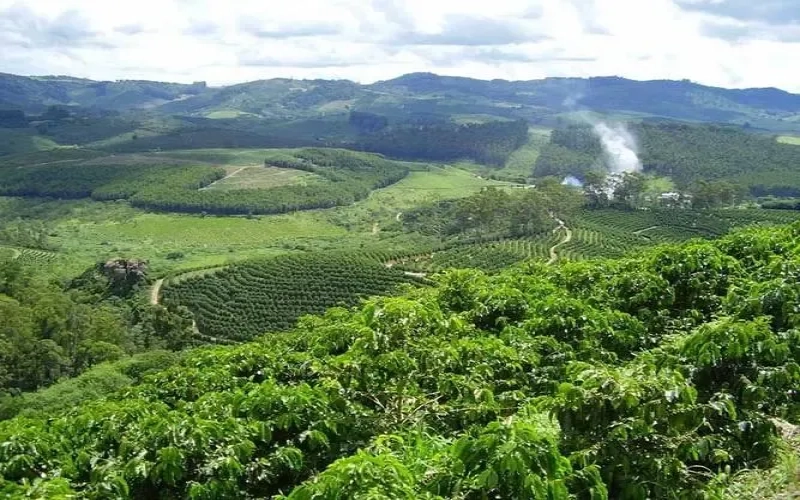
Both Indonesia's Robusta coffee production and exports decline, market expectations unmet
A recent Indonesian coffee industry report released by the U.S. Department of Agriculture shows that Indonesia's coffee production in 2024/25 is expected to recover to 10.9 million bags, of which Robusta is projected to reach 9.5 million bags. However, the reality is not so optimistic: since the beginning of this year, Indonesia has frequently suffered natural disasters such as floods, landslides, and volcanic eruptions, and Sumatra's Robusta exports in May plunged 54% year-on-year. With the aftermath of El Niño still lingering and the threat of La Niña approaching, coupled with rising domestic consumption and exporters holding back sales, the supply outlook for Indonesian Robusta is full of uncertainties. This article will review production, exports, climate, and market dynamics, and include relevant recommendations from Front Street Coffee. [more…]
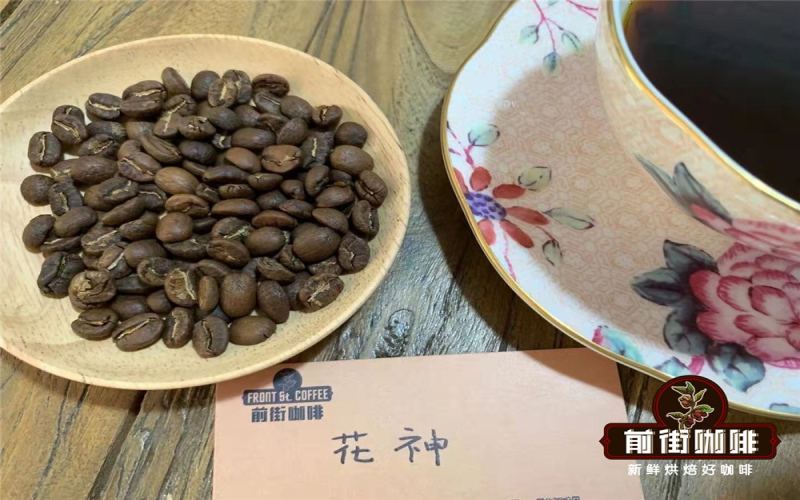
A Complete Guide to Guatemalan Antigua Coffee: Volcanic Soil, Processing Methods, and the Flora Flavor Profile
Guatemala's Antigua region, surrounded by volcanoes and blessed with a unique microclimate, produces coffee with a smoky, charcoal-roasted character that enthusiasts have dubbed "cigarette coffee." From its cultivation roots in the Mayan civilization era, to the meticulous management of the La Minita estate, and on to Front Street Coffee's Flower God coffee beans with their washed processing and medium-light roast, this supply chain carries a dual heritage of history and flavor. This article systematically examines Antigua's growing conditions, variety characteristics, and processing methods, as well as Front Street's brewing parameters and flavor performance, offering you a complete understanding of the appeal of this Central American specialty coffee. [more…]
An Analysis of the Flavor Characteristics of Guatemalan Coffee Regions and a Guide to Pour-Over Brewing Parameters
Guatemala's intertwined volcanic geology and tropical rainforests create microclimates that nurture coffees of remarkable complexity and elegant acidity. The country is divided into seven major producing regions, including Antigua, Cobán, and Atitlán, among which Antigua's smoky character and the Pacamara variety from El Injerto stand out in particular. The Flor coffee beans offered by Front Street Coffee come from the La Minita estate in Antigua, combining citrus and honey notes with a signature smokiness. This article will examine the terroir, history, and variety characteristics of each region one by one, and include the V60 three-pour hand-brewing method favored by Front Street Coffee's baristas, offering enthusiasts a complete reference from bean to cup. [more…]

Colombian pour-over coffee flavor characteristics and origin variety analysis, with brewing suggestions for four Front Street Coffee beans
Colombian coffee is known for its diverse styles, offering both consistent commercial flavors and the pleasant surprises of small-lot specialty beans. Since the volcanic eruption in the southern Huila Province in 2008, coffee from this region has frequently won awards in international competitions, gradually establishing its image as specialty coffee. Volcanic soil is rich in elements such as iron, calcium, magnesium, potassium, and phosphorus, providing ample nutrients for the plants and serving as an important foundation for the formation of delicate flavors. This article will systematically examine the characteristics of Colombian pour-over coffee from the perspectives of varieties, origins, processing methods, and brewing parameters, and introduce the four Colombian specialty beans currently sold by Front Street Coffee along with their flavor performance. Finally, it will provide the pour-over procedure for medium-roast Colombian coffee for coffee enthusiasts' reference. [more…]
South American Coffee Production Rebounds, Yet Why Are Global Prices Still Running High?
Recent data from the International Coffee Organization (ICO) shows that the composite coffee price index rose slightly month-on-month in January 2024, while the Robusta price index hit a 30-year high. Although production prospects have improved in several South American producing countries, with Brazil and Colombia performing relatively well, tight supply in the Asia-Pacific region, disruptions to Red Sea shipping, and volcanic eruptions in Indonesia have combined to keep global coffee prices persistently high. This article reviews the latest developments in each producing region and changes in the supply-demand landscape. [more…]

Colombian Coffee Brewing Guide: Flavor Profiles and Pour-Over Techniques for Four Specialty Beans Including Sidra
Colombian coffee is renowned for its diverse styles, offering both fresh fruity notes and rich chocolate tones, much like the Champagne region in combining consistency with distinct character. Since the 2008 volcanic eruption in Huila, the southern specialty coffee regions have gradually come to prominence, with volcanic ash soil providing abundant nutrients for coffee plants and creating delicate floral and fruity flavors. Currently, Front Street Coffee offers four Colombian specialty beans: Washed Huila, Anaerobic Natural Flower Moon Night, Double Anaerobic Natural Sidra, and Double Anaerobic Washed Sakura, all roasted to a medium level to balance acidity and sweetness. This article will guide you through the regional characteristics of these beans and provide a complete medium-roast Colombian coffee pour-over procedure, explaining everything from grind size and water temperature to pouring rhythm, helping you brew a fragrant cup of excellent coffee at home. [more…]
Complete Guide to Volcano Brewing: Japanese-Style Pour-Over Parameters and Sweetness Enhancement Secrets for Dark Roast Coffee Beans
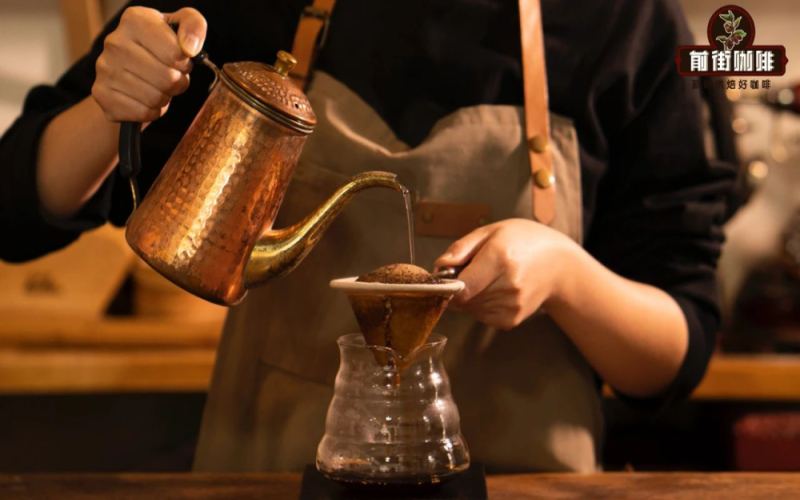
Volcano pour is a highly visually striking classic technique in Japanese-style hand brewing. The coffee bed rises and falls like a volcanic eruption during pouring, and the deep-roasted coffee brewed this way has an especially abundant sweetness. Starting from the underlying logic, this article analyzes why the volcano pour can form a unique coffee-bed spectacle and why it produces such high sweetness, and provides complete brewing parameters and operating steps. It also explains the suitable bean type: deep-roasted beans with a high expansion rate and sufficient carbon dioxide, such as Front Street Sumatra·Golden Mandheling (deep roast). Finally, it includes a staged pouring scheme with a 1:12 coffee-to-water ratio, 88°C water temperature, and a Kalita trapezoidal dripper, along with dilution suggestions, to help coffee lovers recreate at home a smooth cup combining pine and spice notes, caramel sweetness, and dark chocolate aroma. [more…]
Indonesian Coffee Production Expected to Rebound 12.3%, Industry Recovery Still Faces Dual Challenges of Weather and Fertilizer
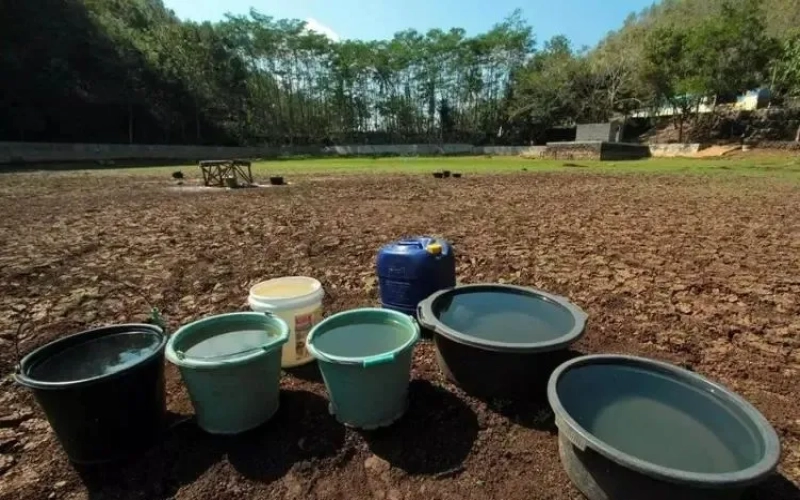
A recent coffee industry report released by Indonesia shows that after multiple natural disasters including El Niño-induced drought, floods, landslides, and volcanic eruptions, the country's coffee production fell to 9.7 million bags in the 2023/24 season. However, after entering the harvest season, actual data came in better than expected, and production is expected to rebound to 10.9 million bags in the 2024/25 season, an increase of 12.3%. Of this, Robusta production stands at 9.5 million bags and Arabica at 1.4 million bags. Although export volume is projected to rise from 4.3 million bags to 6 million bags, issues such as the La Niña phenomenon, rising fertilizer prices, and farmers' insufficient technical skills still bring uncertainty to the industry's recovery. [more…]
Indonesia's Sulawesi Island Hit by Floods, Robusta-Producing Regions Suffer Heavy Losses That May Drive Coffee Prices Up
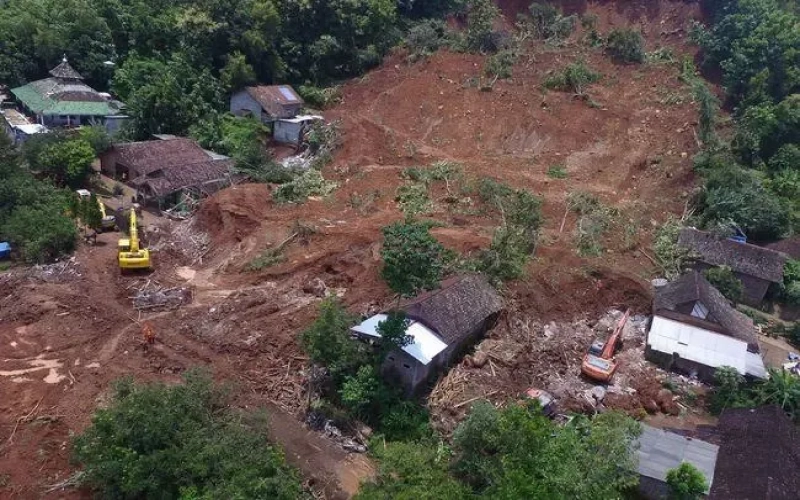
Recently, many parts of Asia have been hit by extreme weather, with Indonesia bearing the brunt. Torrential rain, floods, volcanic eruptions, and landslides have struck one after another, dealing a heavy blow to multiple industries in the country, and the coffee industry has been unable to escape unscathed. After West Java and Sumatra were successively affected, South Sulawesi Province was also hit by heavy rainfall, with severe losses in regencies such as Luwu, Soppeng, and Sidrap, where roads and bridges were destroyed and farmland was flooded. This disaster mainly struck the country's Robusta coffee-producing areas, and as it coincides with the harvest season, industry insiders expect output on some islands to decline by 20%, while the country's total production may be halved. A tightening of Robusta supply could further push up international coffee prices. [more…]
Jamaica Blue Mountain Coffee: Causes of Production Decline and Flavor Analysis — Typica Variety Pour-Over Parameters and Brewing Method
Jamaican Blue Mountain coffee is renowned for its balanced and elegant flavor, but since October 2020, Jamaica has been hit by a series of natural disasters including tropical storms, hurricanes, earthquakes, and volcanic ash, causing road damage in the Blue Mountain coffee growing region and extensive cherry drop, with Coney Dell Estate expected to see yield losses of over 50%. This article will review the impact of these disasters, introduce the growing environment of Blue Mountain coffee and the characteristics of the Typica variety, and share in detail the brewing parameters and flavor profiles of two pour-over methods recommended by Front Street Coffee—the KONO dripper and the cloth filter—to help coffee enthusiasts gain a comprehensive understanding of the current situation and brewing key points of Blue Mountain coffee. [more…]